How I draw mistletoe while the cicadas sing
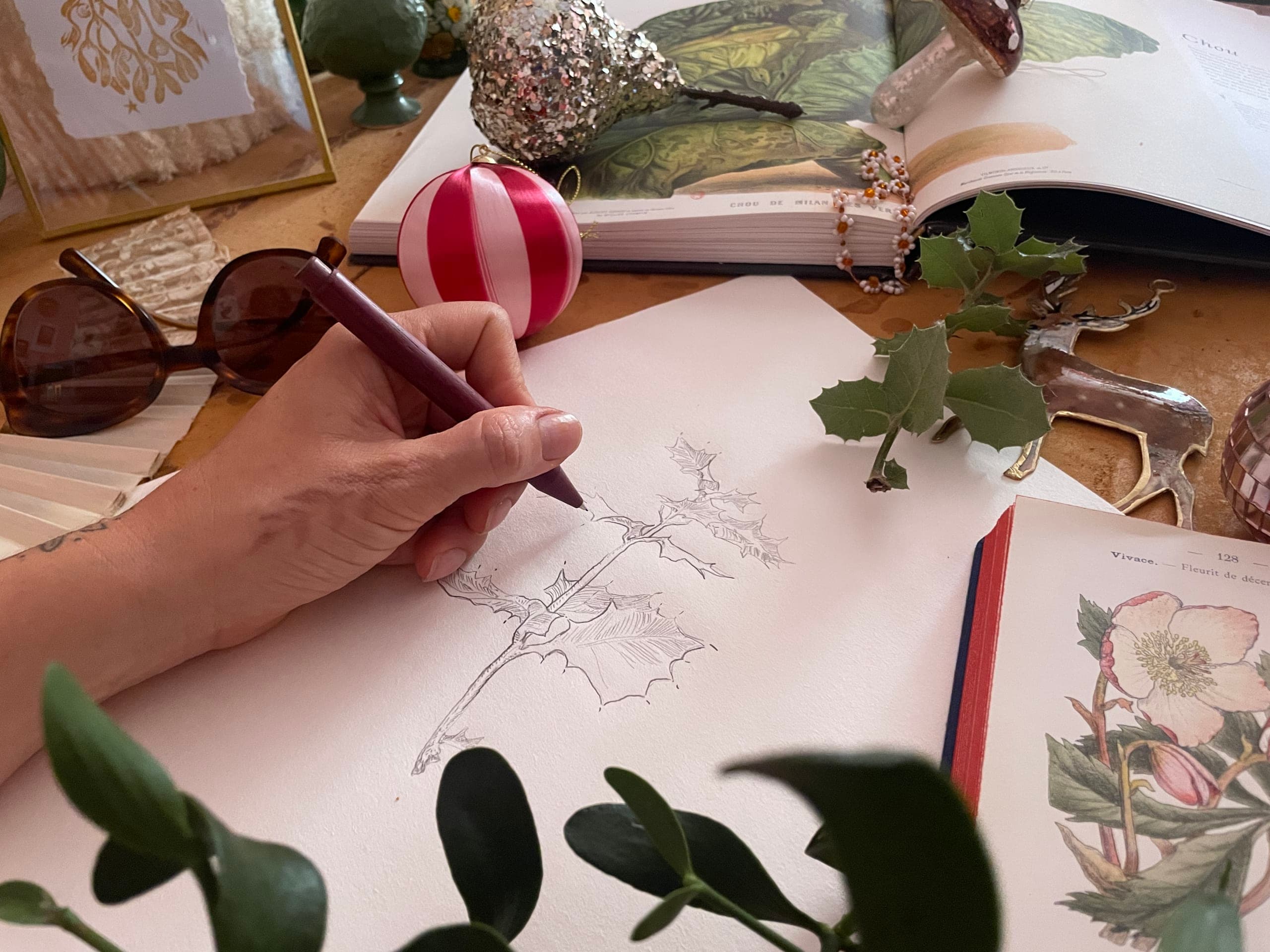
It's 34°C on the terrace. The studio shutters are half-closed to keep a little coolness in. On my table, a sprig of mistletoe I picked in January, now starting to powder a little. Beside it, photocopies of herbarium plates — oval leaves, translucent berries, the small joints you have to really understand before you can redraw them. I've been working on Next's end-of-year kit since June. In my earphones, a Harry Potter Christmas playlist I now know by heart, put on loop at the start of the project and never changed. That's how I get into the mood.
The calendar in reverse
The kit I'm drawing for Next this summer is only a starting point. Once it's delivered, their art direction will spend several weeks recomposing it for shop windows, displays, packaging and all the marketing materials that follow. Then printing. Then distribution. For all of that to be in stores on time, I'm delivering now.
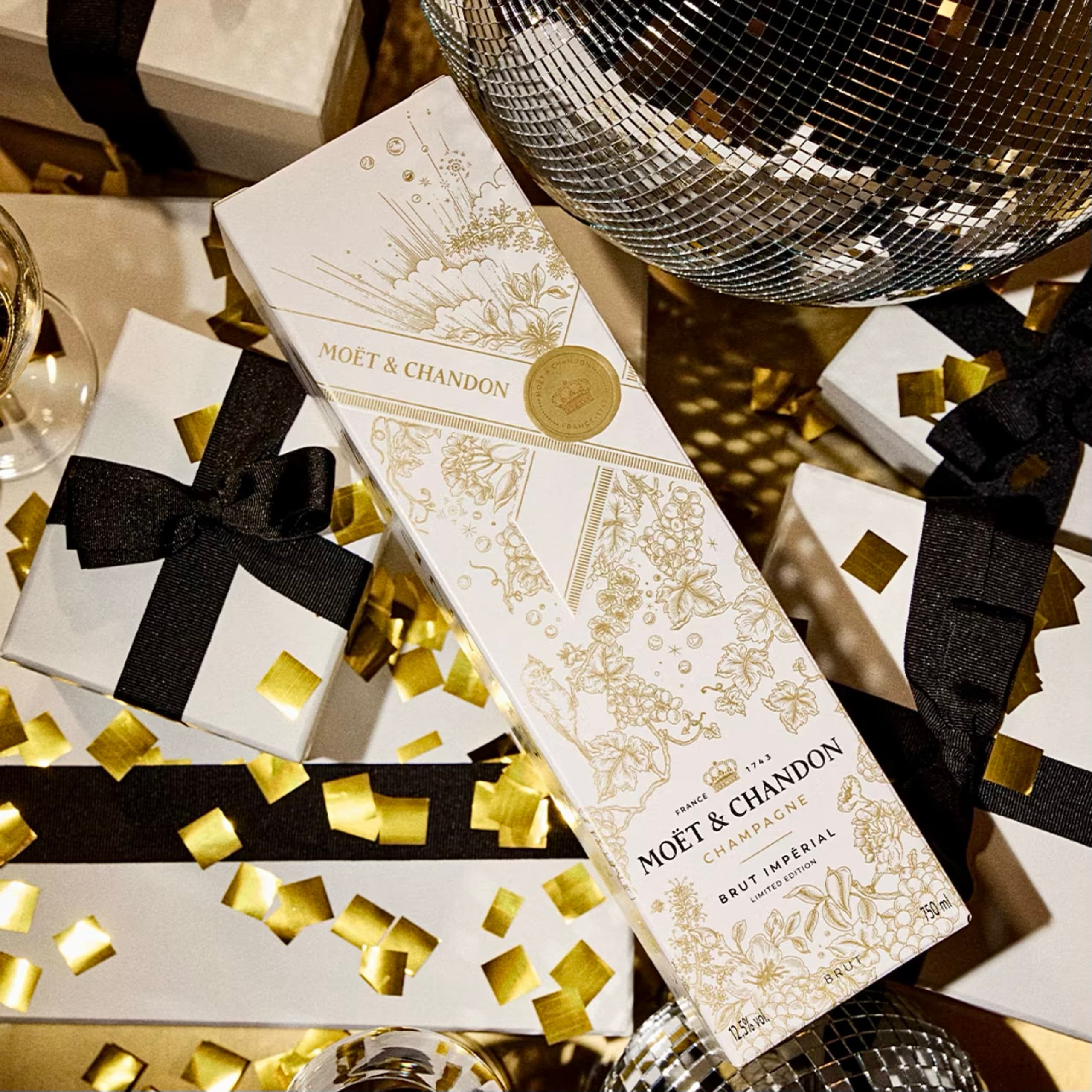
For Moët last year, it was ten months before the shelves. We started drawing in early 2024 for a gift box that would land in stores by Christmas. The box production with its gold foil takes months, the marketing prepares in parallel, manufacturing waits its turn.

I draw snow with the shutters closed
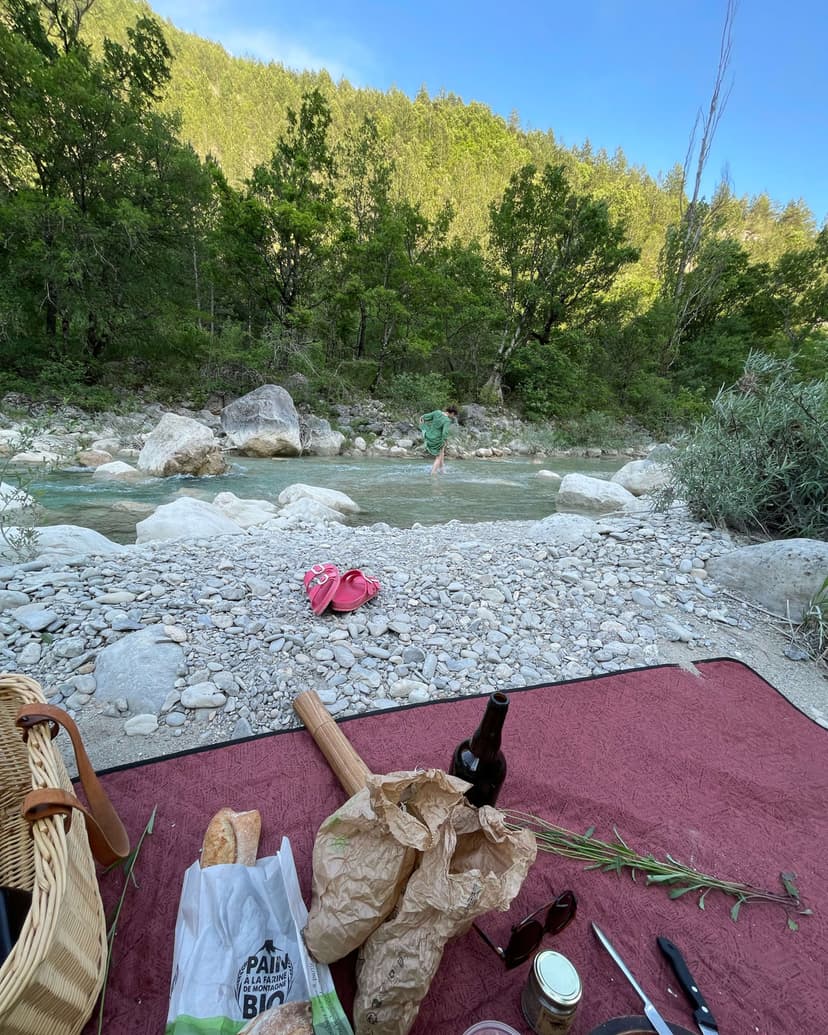
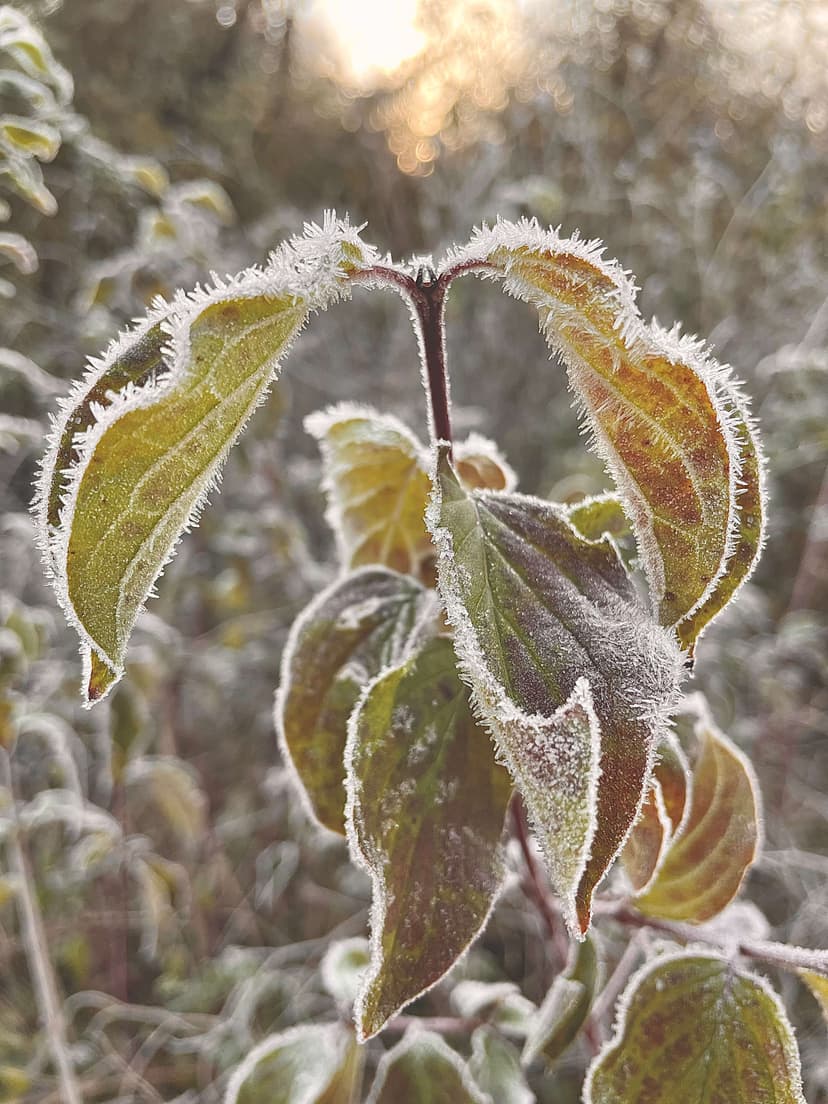
In the morning, I draw snow. I work on a fir tree whose branches are frost-covered, I place pine cones, I decide whether the holly berry falls to the right or the left of the sprig. In the evening, we load the baskets onto our bikes and head down to the river. The Drôme is ten minutes away. The water is cold even in midsummer. We eat outside, it's still light at 10 p.m., we head back when the bats come out. And the next morning I pick up the snow again.
This contrast isn't something I endure. I think it's part of the work. If I had to draw Christmas in December, surrounded by real holly and real firs, I'd probably draw what everyone sees. In June, holly is nowhere around me — it has to be made to exist entirely from references. The image is built through drawing, not through atmosphere.
Next: a holly that looks like holly
Next's brief for Christmas 2025 came through my English agent Folio Art. Next didn't want a scene or a closed composition. Just separate elements that could be recomposed at will into shop windows, displays or packaging. An orange slice. A cinnamon stick. Holly. Each had to stand on its own, in black on white.
What I spend the most time looking at on this kind of project isn't recent Christmas imagery. It's nineteenth-century herbarium plates. The kind where each leaf is drawn to be identified. The exact shape of a holly leaf. The scale pattern on a pine cone. I could spend hours looking at those plates.
Because when a holly really looks like holly, the image becomes Christmassy on its own. I don't need to push on the season. It arrives through accuracy.
Moët: festivity without the codes
For the Moët end-of-year project in 2024, it was the opposite. The brief was built around their environmental programme, Natura Nostra. So all the expected seasonal iconography was off-limits. No holly, no mistletoe. We needed a celebratory bottle that would read as festive without any of the usual markers.
So I looked elsewhere. In nineteenth-century devotional engravings with their rays of light fanning open through clouds. In old celestial maps, or a 1551 French emblem book.
In the end, the festivity arrived through light and elevation. Bursting sunbeams give the composition its air of occasion. And bubbles, drawn literally, rising up through the whole illustration — like the effervescence of the bottle enclosed in the box. On this kind of brief, most of the work happens before the first line. In those weeks when I'm just searching for where the celebration is going to come in.
I garden, I draw
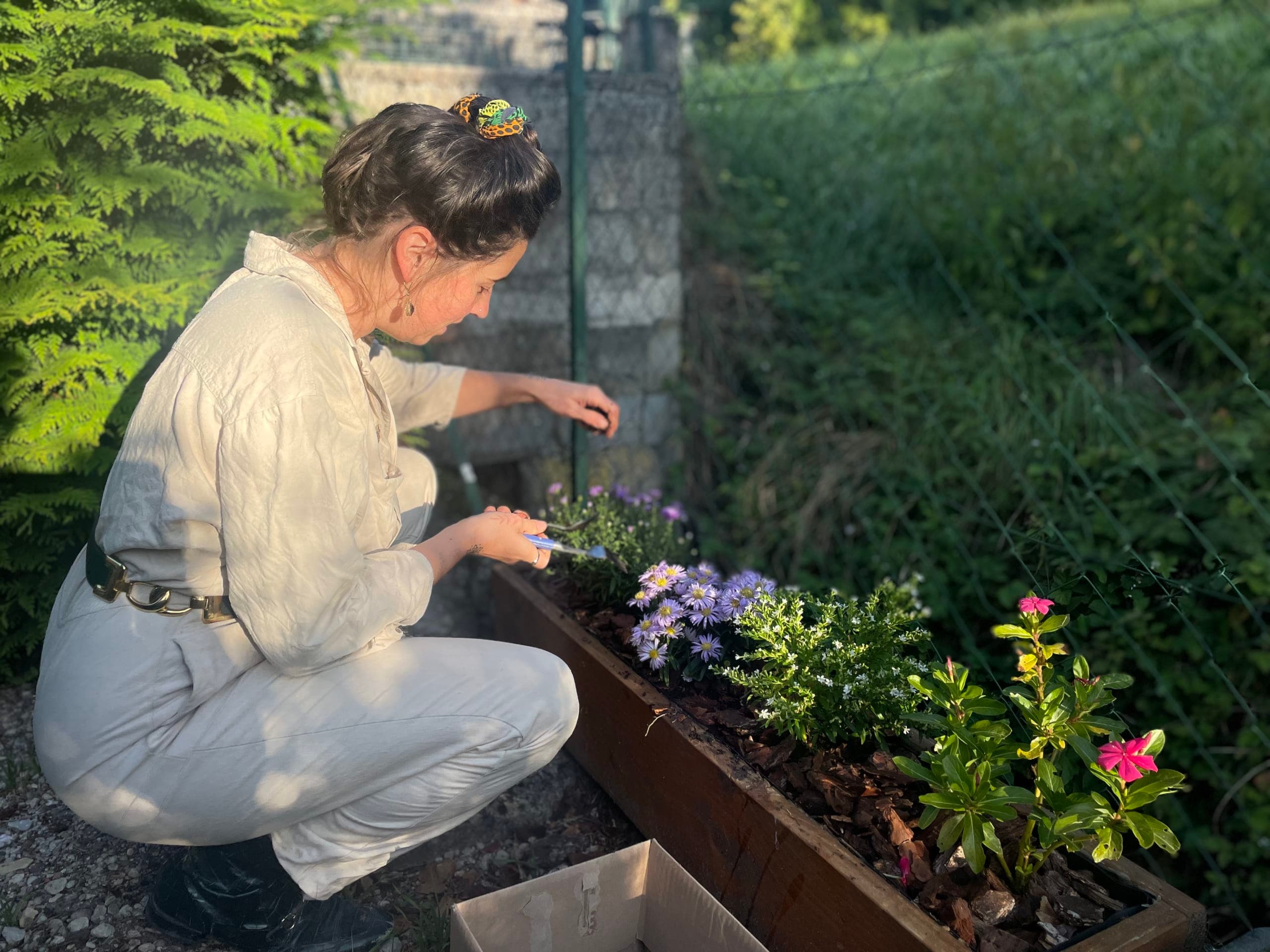
I garden all the time. It's probably what I do most outside of drawing. In October, I order the tulip bulbs. In February, I sow the first sages under cover. In spring, I prune what flowered the year before. The garden runs one season behind intention and one season ahead of result — what I plant now won't be seen for six months, what's flowering now was decided six months ago.
When I came back up to the studio after last night's picnic, I thought it was exactly the same gesture. Drawing snow in June isn't a quirk of the trade. It's its real temporality. When the Moët box lands on the shelf in December, I'll already be on to something else — probably already on the next Christmas.